




RIIWHS202E
Confined Spaces & Gas Testing
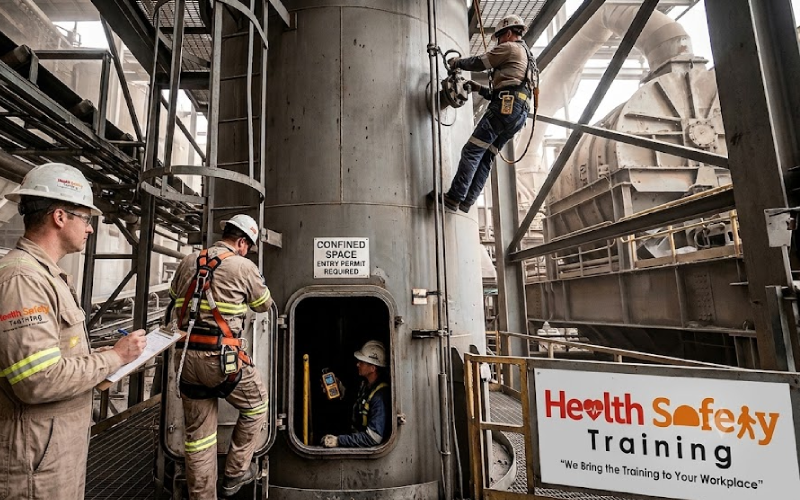
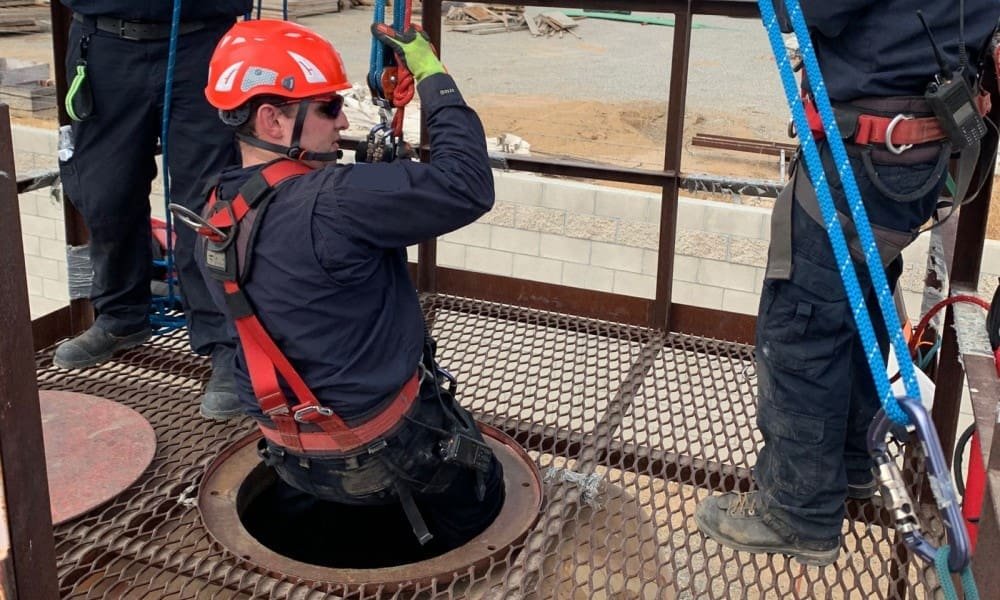
Work safely in high-risk environments with our Enter and Work in Confined Spaces course. This nationally recognised training provides the practical skills and knowledge required to safely enter, work in, and exit confined spaces while identifying hazards, managing risks, using safety equipment, and complying with Australian WHS regulations.
- DeliveryFace-to-face
- LocationMalaga, Perth
- Class sizeMaximum 8
- RecognitionVia affiliated RTOs
Course information
Enter Confined Spaces Safely. Reduce Risks. Stay Compliant.
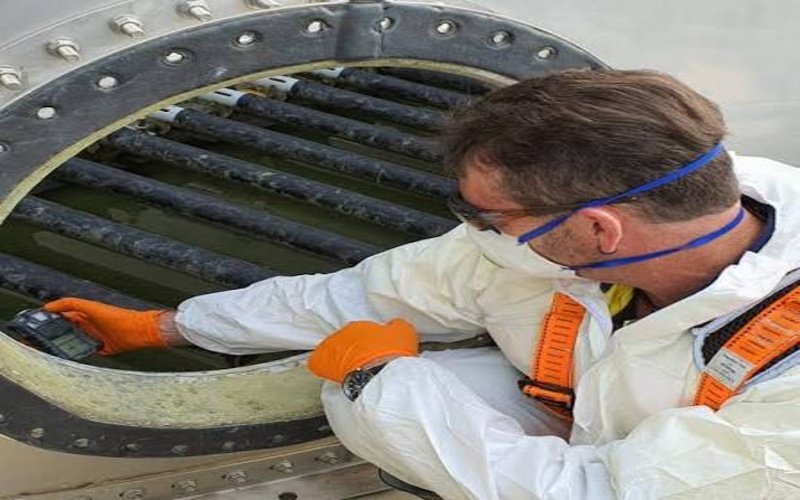
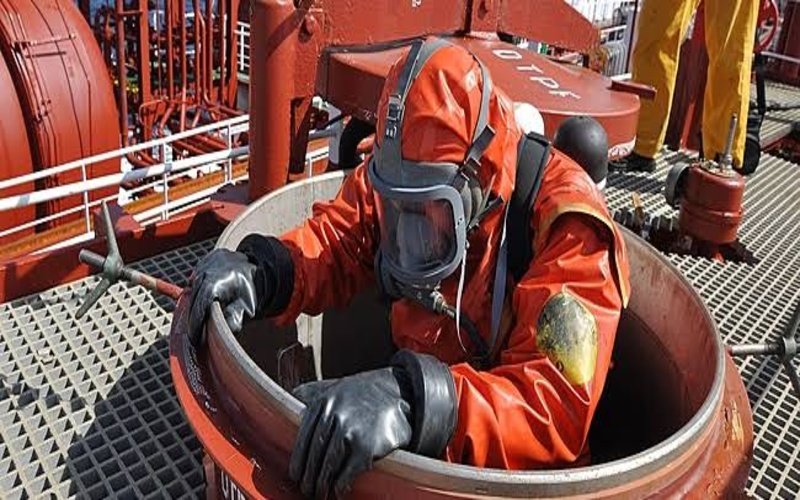
Our Enter and Work in Confined Spaces course is designed to provide participants with the essential knowledge and practical skills required to safely work in confined spaces across a range of industries. This nationally recognised training prepares workers to identify hazards, assess risks, use specialised safety equipment, and follow safe entry and exit procedures while meeting Australian Workplace Health and Safety (WHS) requirements.
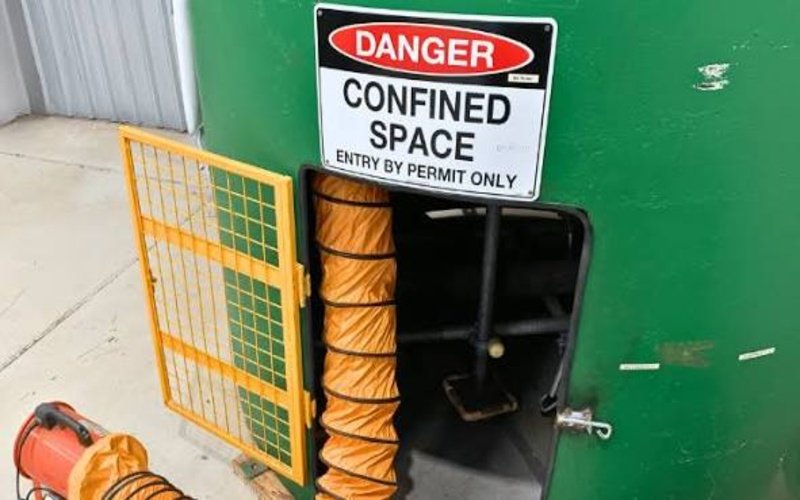
Confined spaces such as tanks, pits, silos, pipelines, sewers, shafts, and storage vessels can present serious hazards, including oxygen-deficient atmospheres, toxic gases, restricted access, and engulfment risks. This course equips participants with the confidence and practical experience needed to work safely in these high-risk environments.
Whether you work in construction, mining, utilities, manufacturing, oil and gas, or maintenance, this training helps you meet industry standards and improve workplace safety.Why Choose Our Course?
Our Enter and Work in Confined Spaces training combines classroom learning with practical exercises to prepare participants for real workplace situations.
Why Train With Us?
- Qualified and experienced industry trainers
- Nationally recognised training
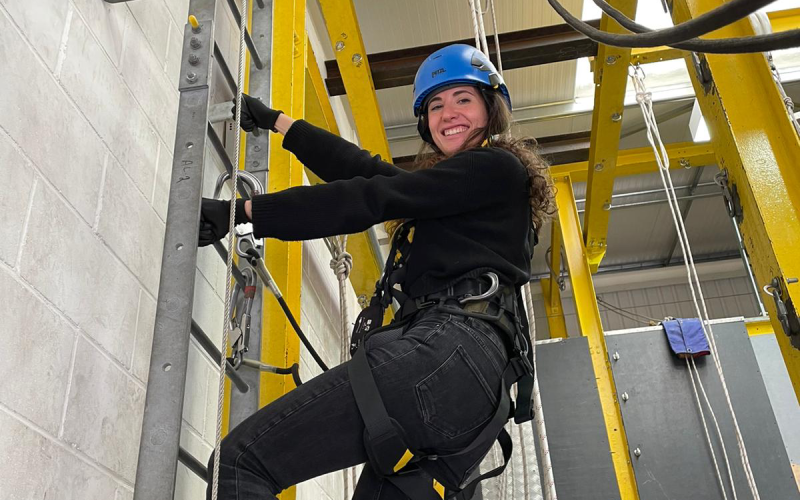
- Practical hands-on learning
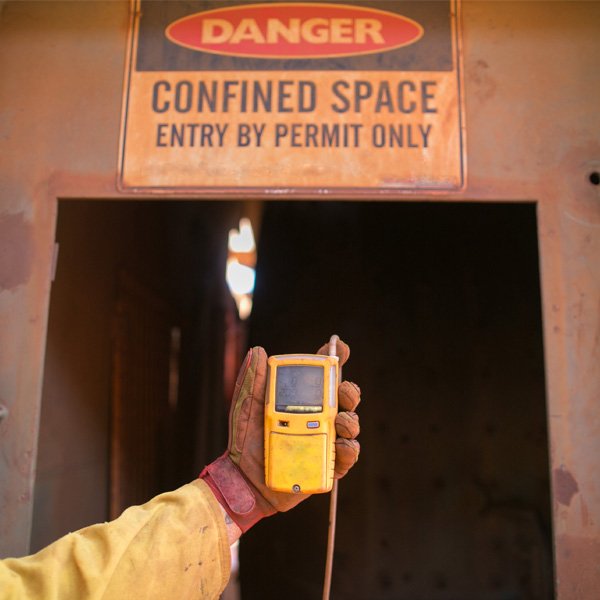
- Modern confined space and gas detection equipment
- Realistic workplace scenarios
- Industry-relevant training materials
- Flexible training schedules
- Affordable course fees
- Supportive learning environment
- Training aligned with Australian WHS legislation and industry standards
How booking works
- 1
Select a date and time
Check live session availability before you book.
- 2
Complete enrolment
Confirm your place through secure checkout.
- 3
Attend training
Come to the Malaga centre for face-to-face training.