




RIIWHS204E
Work Safely at Heights
Develop the skills and confidence to work safely at heights with our Work Safely at Heights course. This nationally recognised training teaches participants how to identify fall hazards, use height safety equipment correctly, apply risk control measures, and comply with Australian WHS legislation and industry standards.
- DeliveryFace-to-face
- LocationMalaga, Perth
- Class sizeMaximum 8
- RecognitionVia affiliated RTOs
Course information
Reduce Fall Risks. Work with Confidence. Stay WHS Compliant.
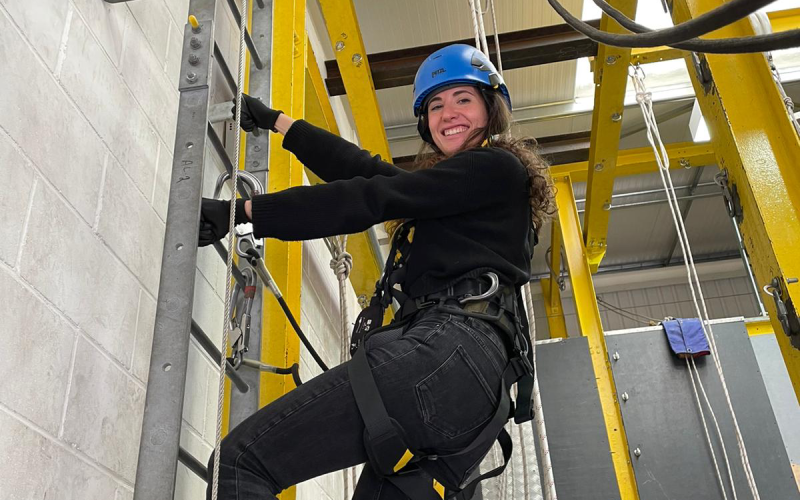
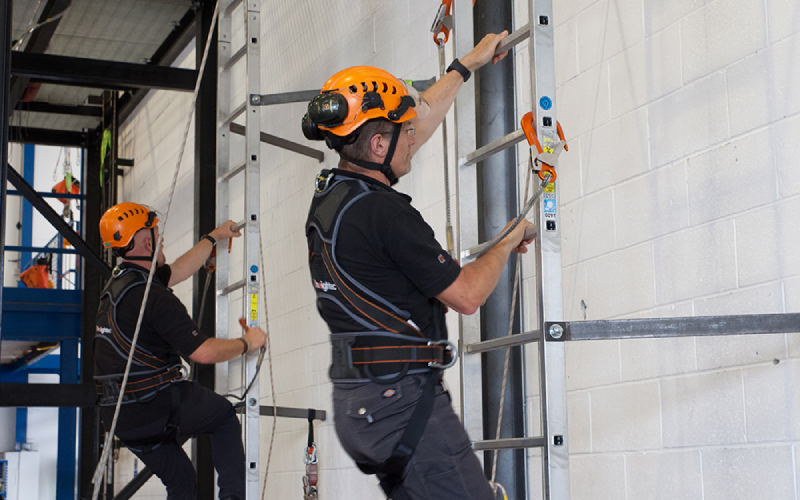
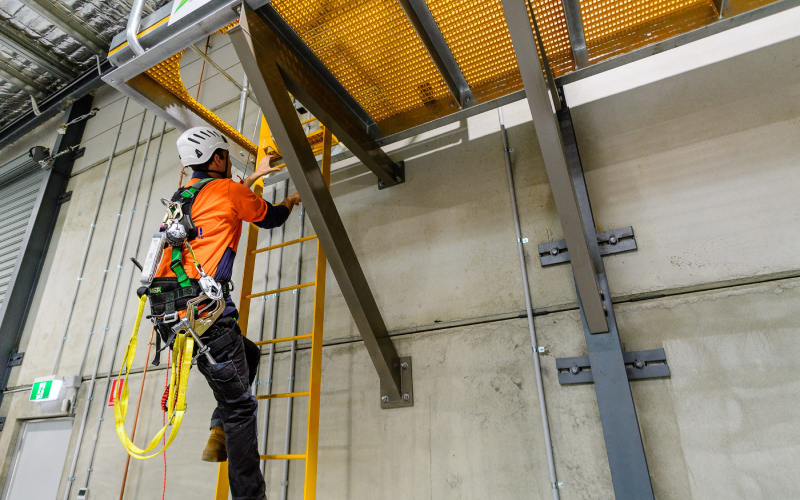
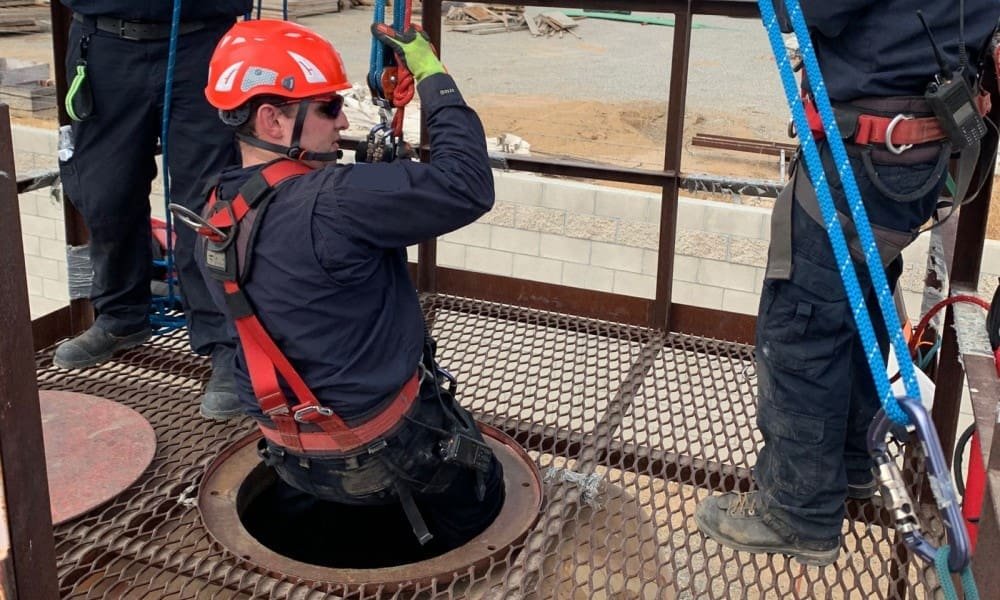
Our Work Safely at Heights course provides participants with the practical knowledge and hands-on skills required to safely perform work at height in a variety of industries. This nationally recognised training focuses on identifying fall hazards, assessing risks, selecting and using height safety equipment, and implementing safe work procedures that comply with Australian Workplace Health and Safety (WHS) legislation.
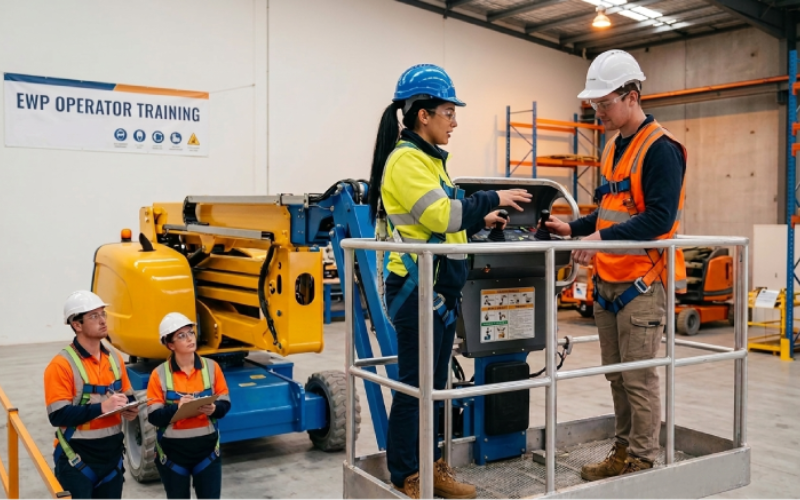
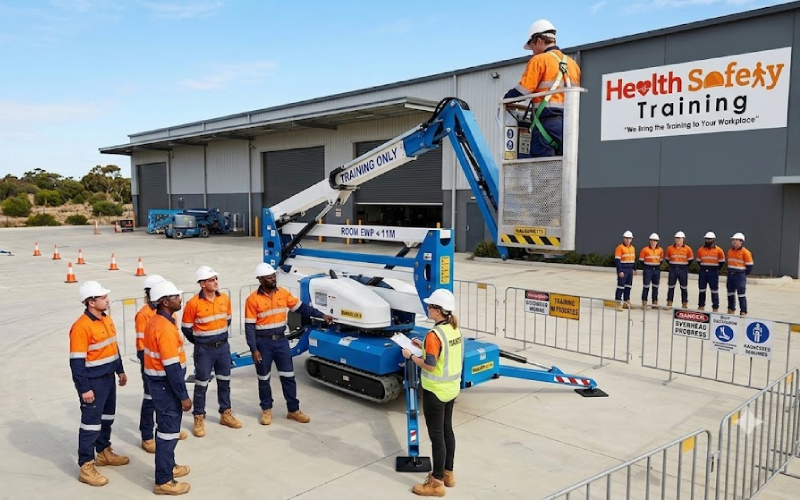
Falls from height remain one of the leading causes of serious workplace injuries and fatalities. This course prepares participants to work safely on roofs, scaffolding, elevated work platforms (EWPs), ladders, towers, and other elevated work areas by applying industry best practices and Australian safety standards.
Participants receive practical training using height safety equipment and learn how to minimise risks while working confidently in high-risk environments.Why Choose Our Course?
Our Work Safely at Heights course combines expert instruction with practical, hands-on training to prepare participants for real workplace situations.
Why Choose Us?
- Qualified and experienced trainers
- Nationally recognised training
- Practical hands-on learning
- Modern height safety equipment
- Realistic workplace scenarios
- Industry-relevant training materials
- Flexible training schedules
- Affordable course fees
- Supportive learning environment
- Training aligned with Australian WHS legislation and industry standards
How booking works
- 1
Select a date and time
Check live session availability before you book.
- 2
Complete enrolment
Confirm your place through secure checkout.
- 3
Attend training
Come to the Malaga centre for face-to-face training.